
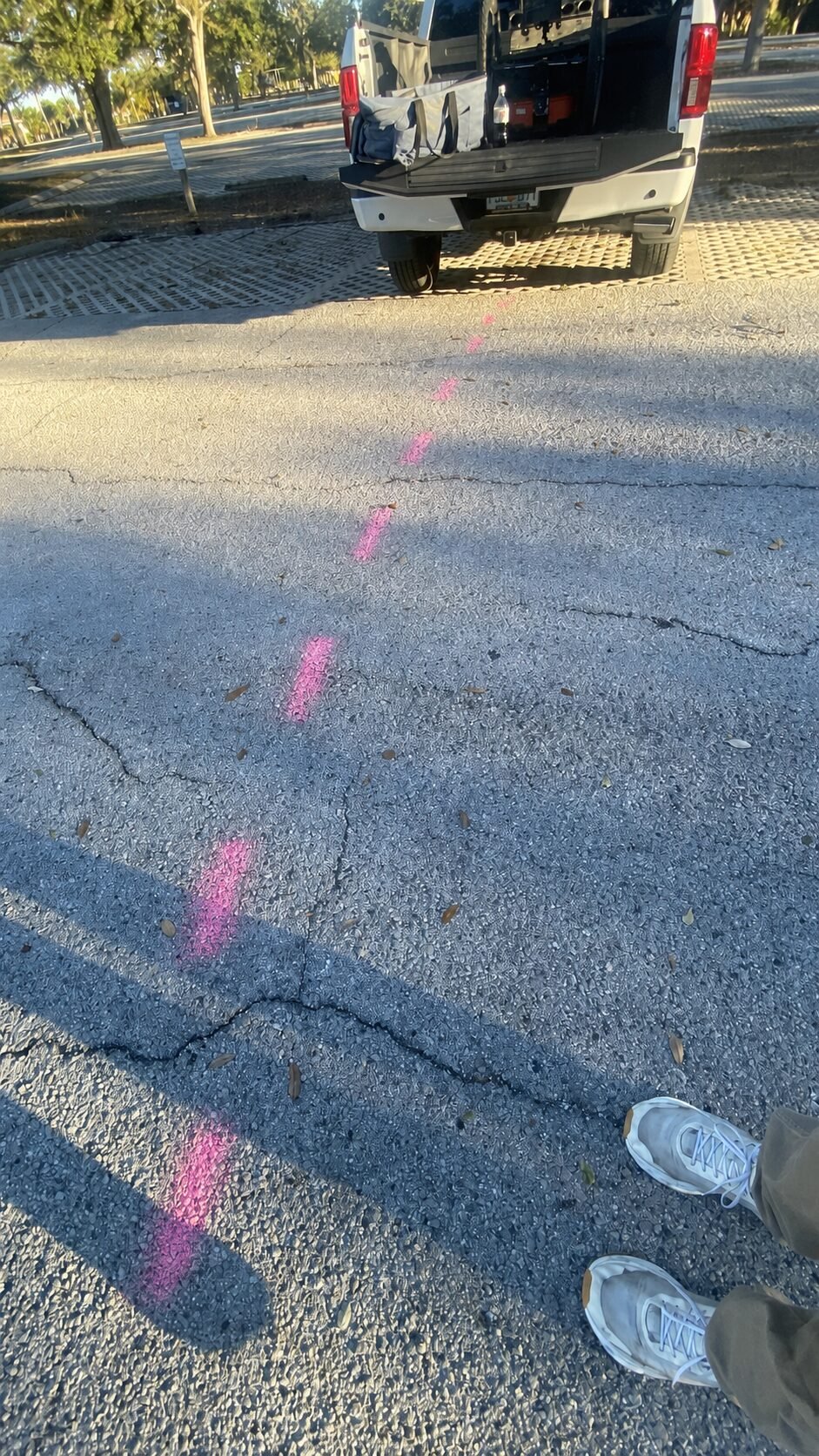
Before breaking ground on any project in, understanding what lies beneath the surface is critical. Underground hazards such as utility lines, conduits, and undocumented infrastructure can lead to costly damage, safety risks, and project delays if they aren’t identified ahead of time.
Professional underground utility locating services in Tampa Bay help homeowners, contractors, and developers avoid these issues by providing accurate subsurface information before excavation begins.
Why Identifying Underground Hazards Matters
Florida properties often contain dense and layered underground utilities due to years of development, redevelopment, and coastal infrastructure expansion. Beneath residential, commercial, and industrial sites in the Tampa Bay area, you may encounter:
Gas, water, and sewer lines
Electrical and telecom conduits
Fiber optic and data infrastructure
Irrigation and private service laterals
Abandoned or undocumented utilities
Striking a buried utility can result in service outages, emergency repairs, safety hazards, and costly project delays. Professional private utility locating in Tampa significantly reduces these risks.
Start with Call Before You Dig
Before any excavation begins, contacting 811 Call Before You Dig is an essential first step in Florida. Public utility owners will mark the approximate locations of utilities they own.
However, 811 markings in Tampa typically do not include private utilities, which are common on residential, commercial, and redevelopment sites throughout Florida.
Why 811 Markings Aren’t Always Enough
Many underground hazards in the Tampa Bay region exist on private property, including:
Utilities beyond the meter
Private lighting and irrigation
Old or abandoned infrastructure
Utilities installed before modern mapping standards
This is where professional private utility locating services in Florida become critical.
How Underground Hazards Are Located
GroundScout uses multiple technologies to locate underground utilities accurately across Tampa and surrounding areas:
Electromagnetic (EM) Utility Locating
Used to trace conductive utilities such as electric, gas, and telecom lines.
Ground Penetrating Radar (GPR)
GPR detects both metallic and non-metallic utilities, conduits, and subsurface anomalies beneath soil, asphalt, and concrete — ideal for Florida’s mixed soil conditions.
Utility Mapping & Documentation
Located utilities can be documented and mapped to support construction planning, due diligence, and future site work.
When to Hire a Utility Locator in Tampa
Professional utility locating is recommended before:
Excavation or trenching
Fence, sign, or lighting installation
Pool and patio construction
Irrigation or drainage work
Commercial development and redevelopment
Property due diligence and feasibility studies
Even shallow digging can intersect buried utilities in Florida soils.
Best Practices for Preventing Utility Damage
Schedule utility locating early in your project
Use both EM locating and GPR for accuracy
Clearly communicate utility locations to crews
Verify utilities before digging in congested areas
These steps help reduce risk and improve jobsite safety across Tampa Bay projects.
Professional Utility Locating in Tampa, Florida
Accurate underground utility data helps:
Prevent costly utility strikes
Improve project planning
Reduce delays and rework
Support safer excavation
Protect property and infrastructure
Professional utility locating is a smart investment for projects throughout Tampa, St. Petersburg, Clearwater, and surrounding Florida communities.
Frequently Asked Questions About Locating Underground Hazards
What are underground hazards?
Underground hazards include buried utilities and subsurface features such as gas lines, water and sewer pipes, electrical conduits, telecom and fiber cables, irrigation lines, and undocumented or abandoned infrastructure that can pose a risk during excavation.
Why is it important to locate underground hazards before digging?
Locating underground hazards before digging helps prevent utility strikes, safety incidents, service outages, costly repairs, and project delays. Even shallow excavation can intersect buried utilities, especially on developed or redeveloped properties.
Does calling 811 locate all underground hazards?
No. Calling 811 marks public utilities only and often stops at the meter or right-of-way. Many underground hazards on private property—such as service laterals, private electric, irrigation, and undocumented lines—are not marked by 811 and require professional private utility locating.
How are underground hazards located?
Underground hazards are located using a combination of technologies, including electromagnetic (EM) locating to trace conductive utilities and ground penetrating radar (GPR) to detect both metallic and non-metallic subsurface features. Using multiple methods improves accuracy and reliability.
Can non-metallic utilities be detected?
Yes. Ground Penetrating Radar (GPR) is commonly used to detect non-metallic utilities such as PVC pipes, plastic conduits, and fiber ducts, as well as subsurface anomalies beneath soil, asphalt, and concrete.
How accurate is underground utility locating?
Professional utility locating significantly reduces uncertainty compared to relying on plans or records alone. Accuracy depends on site conditions, utility material, depth, and locating method. While no method is 100% guaranteed, professional locating greatly lowers risk before excavation.
When should underground hazards be located?
Underground hazards should be located before any ground-disturbing activity, including trenching, drilling, fence installation, landscaping, pool construction, and commercial or residential development.
Who should consider professional underground hazard locating?
Professional locating is recommended for homeowners, contractors, engineers, developers, and property owners planning excavation, construction, or property improvements where underground utilities may be present.
Is underground hazard locating required for small projects?
Yes. Even small projects like installing fence posts, planting trees, or adding irrigation can damage buried utilities if hazards are not identified beforehand.
How does locating underground hazards reduce project risk?
By identifying utilities before digging begins, locating underground hazards helps prevent unexpected delays, reduces repair costs, improves jobsite safety, and allows projects to move forward with confidence.