
Introduction to Utility Locating
When planning any excavation or digging project, it is essential to understand the difference between 811 utility marking and private utility locating services. Failure to recognize these distinctions can lead to damaging underground utilities, resulting in serious safety hazards and financial liabilities. This guide will provide insights into the protocols involved and how to mitigate risks, including when Ground Penetrating Radar (GPR) technology is necessary.
What is 811 Utility Marking?
811 utility marking is a national service established to protect underground utilities in North America. When a contractor or homeowner plans to dig, they must call 811 at least two to three business days in advance. The service will then coordinate with local utility companies to mark the locations of underground lines such as electricity, water, sewage, gas, and telecommunications. This process not only provides clarity on where it is safe to dig but also helps prevent accidents that could arise from unknowingly disturbing buried infrastructure.
The Role of Private Utility Locating
While 811 utility marking covers public utility services, private utility locating pertains to privately owned utilities, such as those found on residential properties. These might include sprinkler systems, private sewers, or other underground installations not visible to the naked eye. Homeowners may need to hire a professional private utility locating service to find these underground installations before any digging occurs. This step is crucial, especially when the property has not been previously excavated or if there are records of previous separations. In such cases, private services provide specialized equipment and expertise to pinpoint utility lines accurately, thus avoiding potential disruption.
When is GPR Necessary?
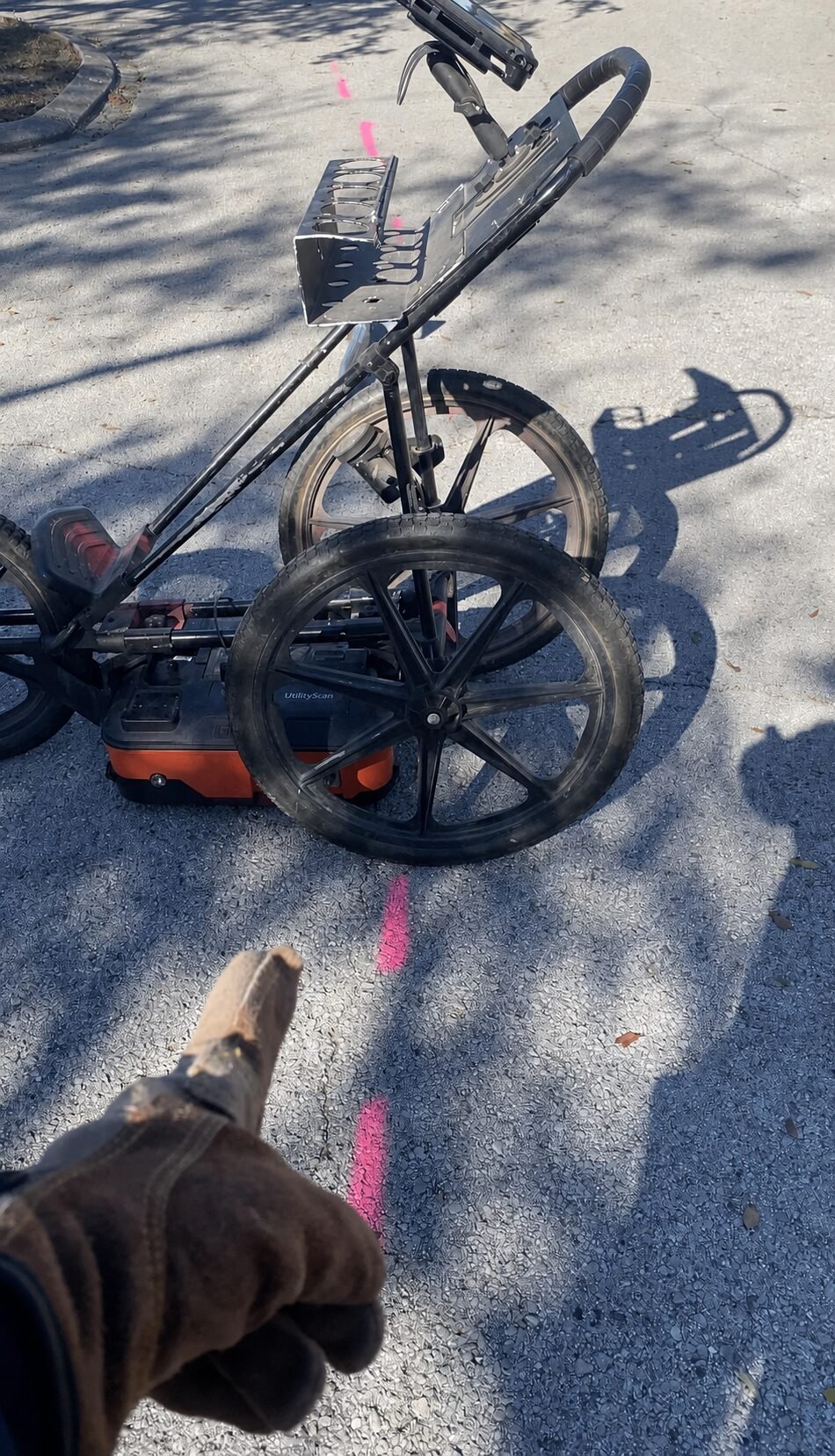
Ground Penetrating Radar (GPR) is an advanced technology used in underground utility locating. Its necessity arises in situations where conventional methods fall short. For instance, if the ground is particularly dense, if the utilities are buried too deeply, or if there are doubts about the accuracy of existing utility maps, GPR can enhance the detection process. This non-invasive method employs electromagnetic radiation to create images of the subsurface, allowing for precise detection of various materials from soil density to pipes and cables.
Best Practices to Avoid Underground Utility Damage
To avoid damaging underground utilities when digging on private property, consider the following best practices: First, always initiate a call to 811 to have public utilities marked. Secondly, if you suspect the presence of additional private utilities, consult with a licensed private utility locating service. Lastly, utilizing advanced technology like GPR can be invaluable in providing an additional layer of certainty. Following these steps can significantly reduce the risk of accidents and ensure a safe and successful digging project.
Conclusion
In summary, knowing the difference between 811 utility marking and private utility locating is essential for anyone considering excavation work. Employing these services, along with advanced tools like GPR when needed, can safeguard both public and private utilities from potential damage. By taking the time to locate underground utilities properly, you can ensure the safety of your project while avoiding costly repairs and liabilities.