
The problem
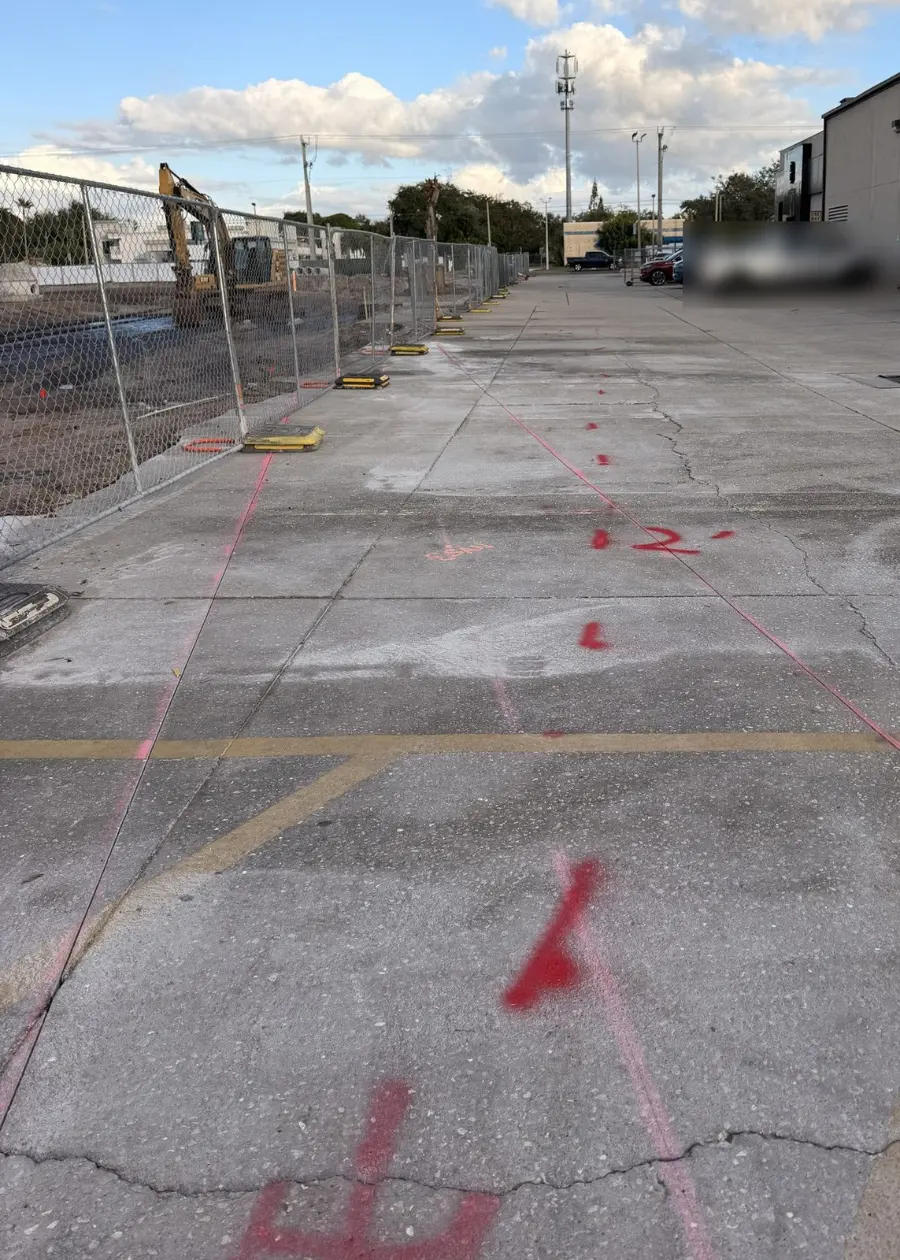
The contractor was replacing a sanitary sewer line on an active commercial property. The new trench had to cross a power line, a two-inch conduit carrying phone and data, and the fire line feeding the building.
Part of the site had already been demolished, and nobody was sure where everything ran. The 811 marks stopped partway into the property. Past that point the lines were private, and they were the contractor's problem.
What GroundScout located
Power
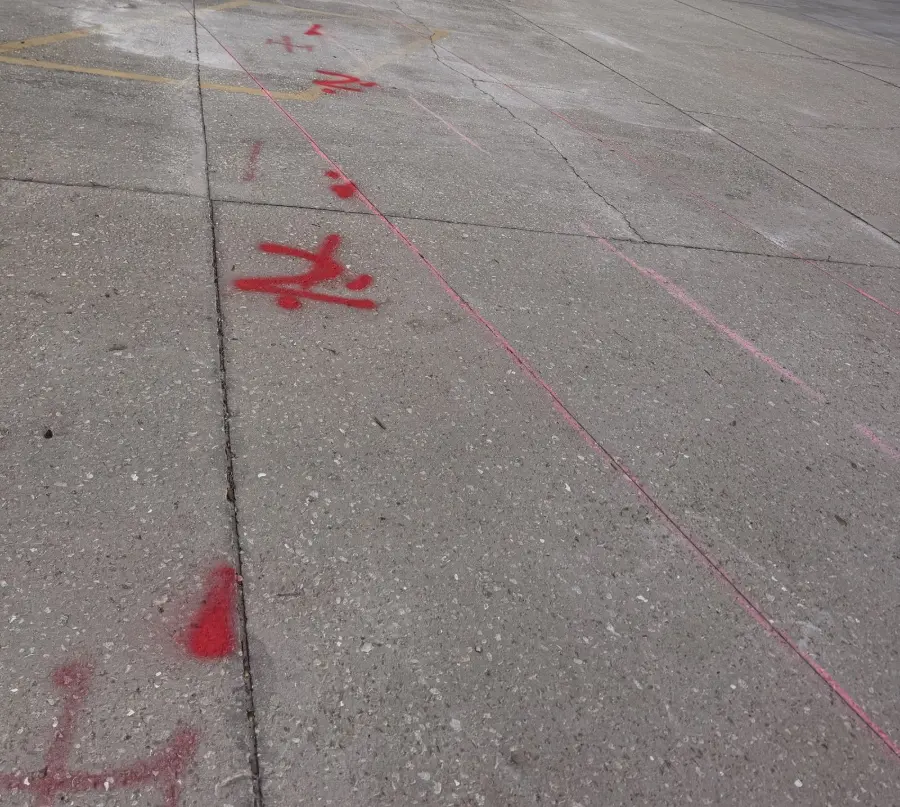
The electric line crossing the trench path, marked in red with depth notes.
Phone and data
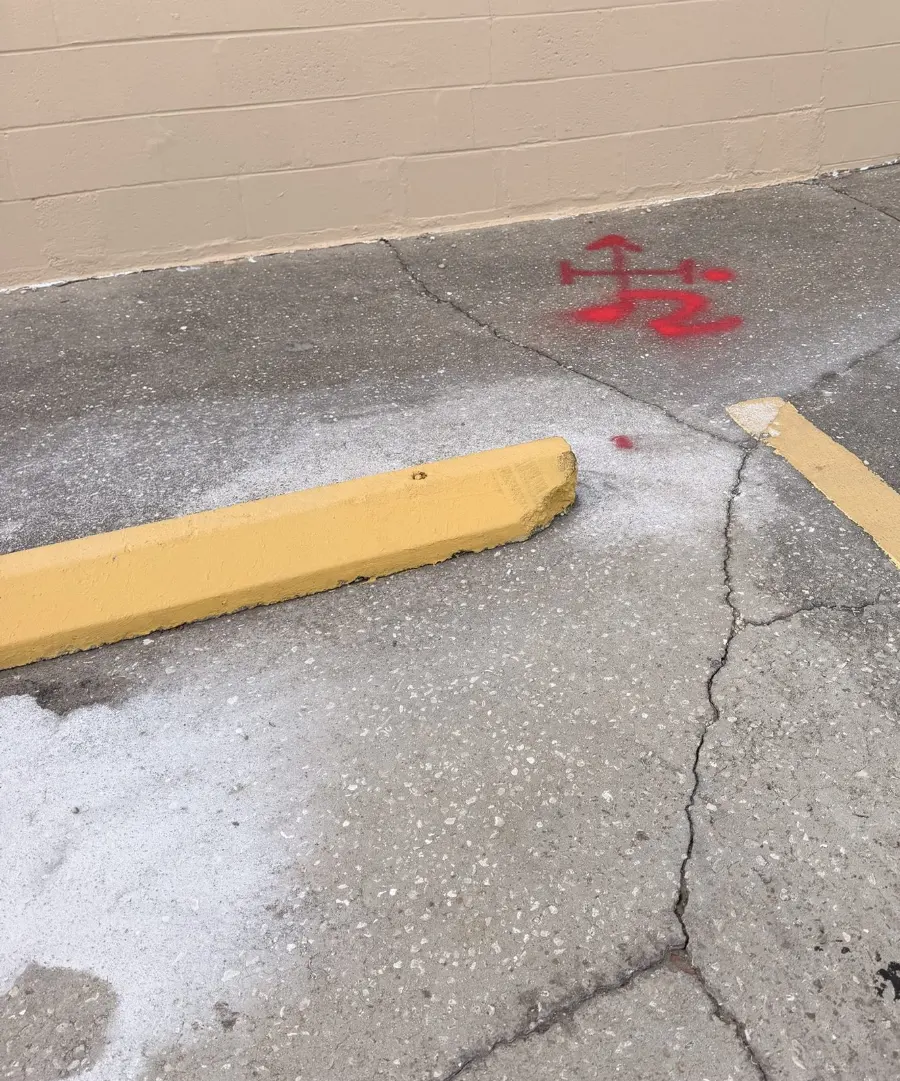
The communications conduit running through the work area.
Fire water and gas
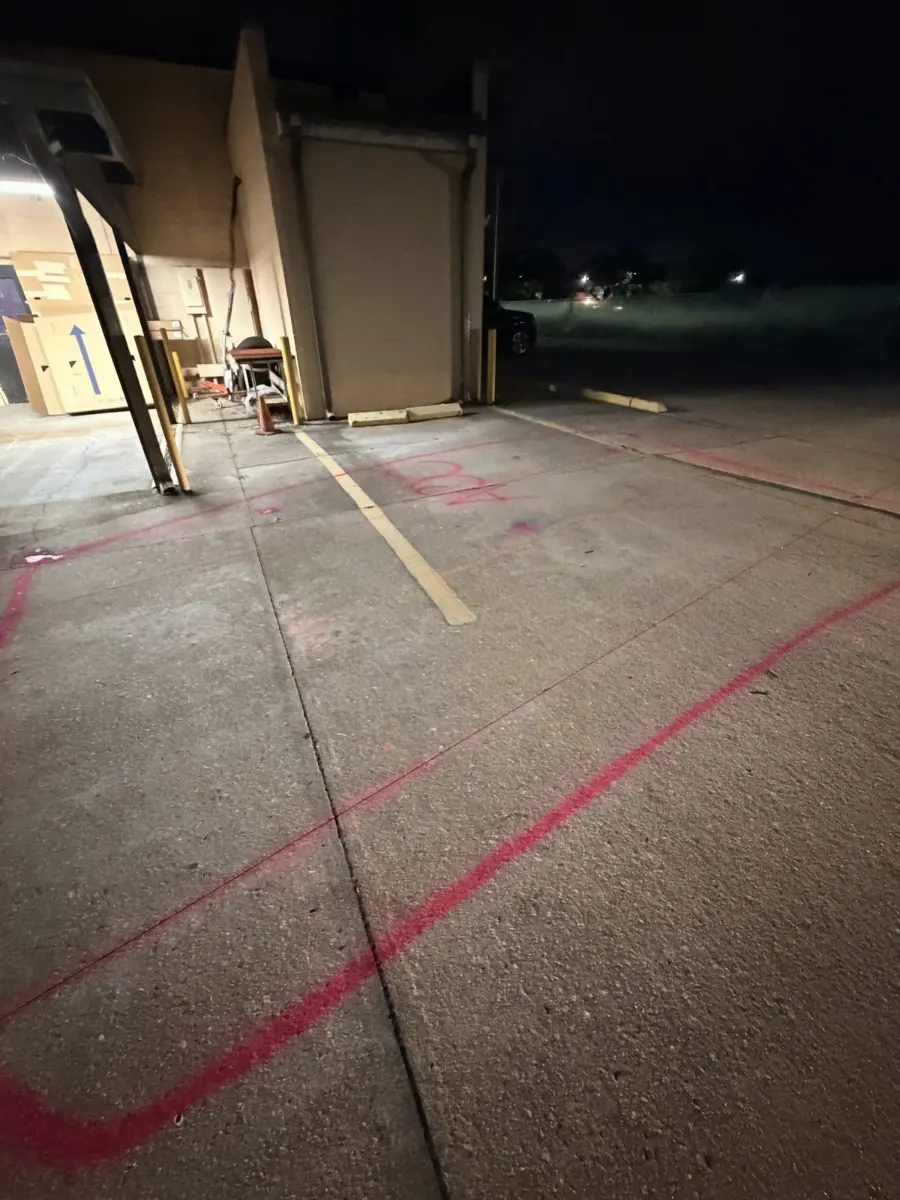
The fire line serving the building, plus gas on the property.
How it went
Day one: the drawing
The contractor sent the scope and a demolition drawing of the trench area.
Next day: on site
GroundScout met the contractor on site, walked the drawing against what was visible, and located the trench area.
Marked and ready
Every line across the work area was painted with depth notes, so the crew could dig on schedule.
Photos from the job
Why this job needed a private locate
811 did its part. The utility companies marked the lines they own, and those marks ended where utility ownership ended. Everything past that point belonged to the property. On a site with demolition under way and drawings that were hard to read, a private locate was the only way to know what the trench would cross.
If you have a trench, a bore or a tie-in coming up and a date you cannot miss, send the address and the work limits. Same-week scheduling is typical.